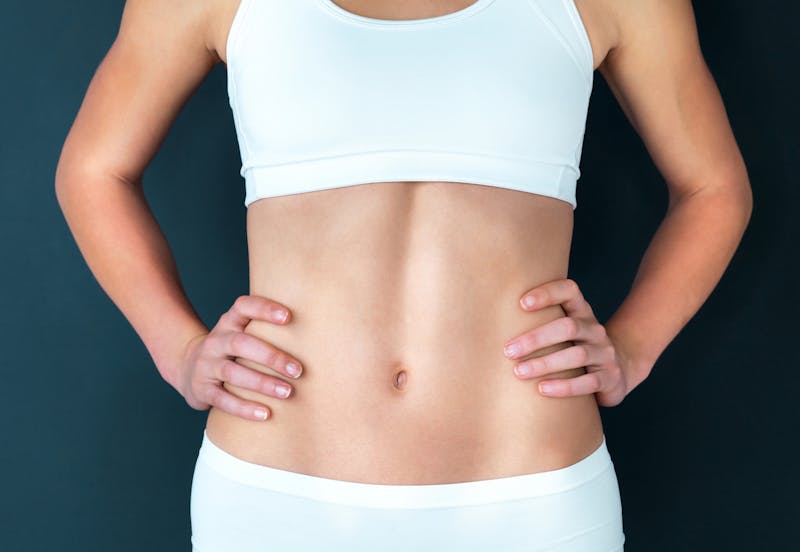
Proper nutrition plays a crucial role in your liposuction recovery, directly impacting how quickly you heal and how well your results develop.
At Studio Plastic Surgery, board-certified plastic surgeon Dr. Kunaal Jindal emphasizes that what you eat after your procedure can significantly influence:
- Inflammation levels
- Tissue repair
- Overall satisfaction with your newly contoured physique.
As a member of both the Canadian Society of Aesthetic Plastic Surgery and the American Society of Plastic Surgeons, Dr. Jindal brings extensive expertise to every aspect of patient care, including post-operative nutrition guidance that helps you achieve optimal, long-lasting results.
In this blog, we'll explore the essential foods that can accelerate your recovery and those you should avoid after liposuction, along with sample meal ideas and a timeline for your nutritional strategy.
Key Nutrients for Peak Recovery
Protein: The Building Block of Healing
Protein is perhaps the most important nutrient during your recovery period. Research shows that protein needs increase significantly after surgery to support tissue repair and prevent muscle loss, so focus on incorporating lean proteins into every meal. A few good options include:
- Chicken breast and turkey
- Fish such as salmon, cod, and halibut
- Eggs and Greek yogurt
- Legumes like lentils and chickpeas
- Tofu for plant-based options
Aim for at least 20-30 grams of protein per meal to give your body the amino acids it needs to rebuild tissue and maintain your newly contoured shape.
Anti-Inflammatory Foods: Reduce Swelling
Inflammation is a natural part of the healing process, but excessive swelling can be uncomfortable and may temporarily obscure your results. Omega-3 fatty acids have been shown to reduce inflammatory markers and support recovery. Include these anti-inflammatory foods in your diet:
- Fatty fish like salmon, mackerel, and sardines
- Walnuts and flaxseeds
- Leafy greens such as spinach and kale
- Berries, including blueberries and strawberries
- Turmeric and ginger
Vitamin C: Enhanced Collagen Production
Vitamin C is essential for wound healing and skin elasticity. After liposuction, your body relies on collagen to repair incision sites and help your skin retract smoothly over your newly contoured areas. Excellent sources include:
- Citrus fruits
- Bell peppers
- Broccoli
- Strawberries
- Kiwi
Zinc: Boosted Immune Function and Tissue Repair
Zinc plays a huge role in protein synthesis and immune function, both of which are important during recovery. This mineral helps your body fight infection and supports the healing of surgical sites. Good sources include:
- Oysters
- Beef
- Pumpkin seeds
- Chickpeas
- Fortified cereals
Foods to Avoid During Recovery
Just as certain foods can accelerate healing, others can hinder your progress. During the first few weeks after your liposuction procedure at Studio Plastic Surgery, it's best to limit or avoid:
- High-Sodium Foods: Excessive salt intake can worsen swelling and fluid retention, potentially prolonging your recovery. Limit processed foods, canned soups, deli meats, and salty snacks.
- Refined Sugars and Processed Carbohydrates: Foods high in refined sugar can promote inflammation and may interfere with healing. Minimize your intake of sugary desserts, white bread, and sugary beverages.
- Alcohol and Fried Foods: Alcohol can interfere with wound healing, increase inflammation, and interact with medications. It's best to avoid alcohol completely for at least the first two weeks following your procedure.
Meal Ideas for Recovery
Breakfast
- Greek yogurt parfait with mixed berries and chia seeds
- Scrambled eggs with spinach and whole-grain toast
- Smoothie with protein powder, banana, and almond butter
Lunch
- Grilled salmon over mixed greens with avocado and olive oil dressing
- Chicken and vegetable soup with lentils
- Turkey wrap with hummus and leafy greens
Dinner
- Baked cod with roasted Brussels sprouts and sweet potato
- Lean beef stir-fry with broccoli and brown rice
- Tofu curry with chickpeas and quinoa
Timing Your Nutrition Strategy
Week 1-2: Focus on Easy Digestion
During the first two weeks after your procedure, your body is working hard to heal. Focus on easily digestible foods that won't tax your system. Soups, smoothies, and soft proteins are excellent choices during this initial phase.
Week 3-6: Building Strength
As you continue healing and gradually increase your activity level, ensure you're consuming adequate protein and calories to support tissue repair. This is the time to really emphasize nutrient-dense whole foods.
Long-Term: Maintaining Your Results
After your initial recovery period, continuing healthy eating habits will help you maintain the sculpted contours Dr. Jindal has created. A balanced diet rich in whole foods will support your long-term satisfaction with your results.
Trust Your Recovery to Expert Care at Studio Plastic Surgery
By prioritizing nutrient-dense foods that promote healing, you are taking an active role in your own recovery. Along with our holistic, whole-body approach to surgical care, you will receive the support you need every step of the way. Contact Studio Plastic Surgery today to schedule your consultation!